Desert driving
Start with the condition of the existing coating. Dusty roads, wet trips and storage habits belong in the conversation.

RV Undercoating / Las Vegas
Our technicians coat the frame, tanks and suspension underneath motorhomes and coaches, in our own shop.
UNDERCOATING / EXPLAINED
01 / BENEATH YOUR COACH
See the surfaces exposed to water and road debris.
02 / APPLICATION
A coating layer across prepared, suitable surfaces.
03 / PROTECTION
Tell us about your coach and where you travel.
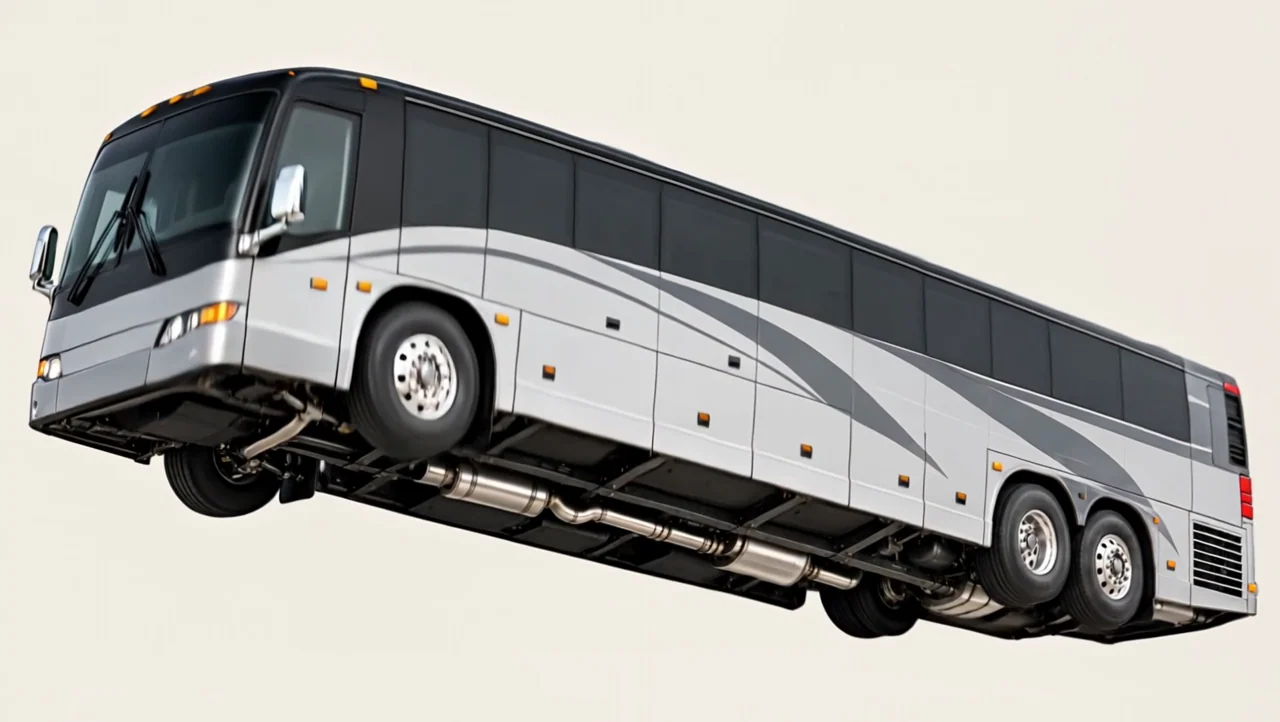
The Coverage
The right surfaces.
The right preparation.
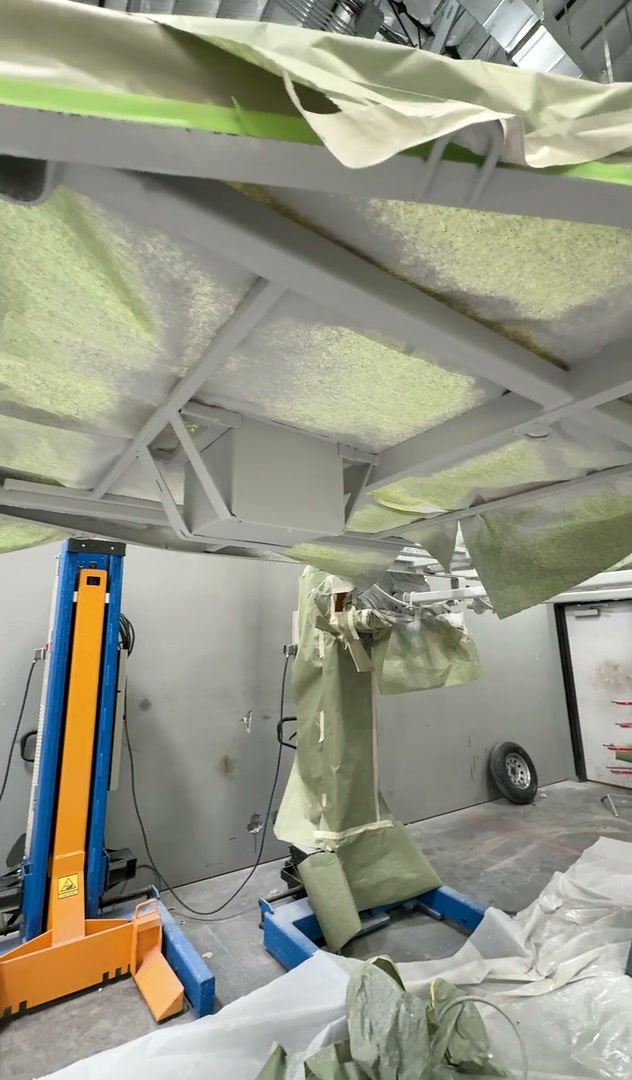
What can RV undercoating cover?
Sound, properly prepared structural surfaces are the starting point. Existing corrosion and damage need assessment before coating.
Coverage depends on the tank material and the coating’s compatibility. The shop confirms which exterior surfaces and supports are suitable.
Suitability depends on the component and coating. Coverage should be confirmed individually rather than described as coating the entire suspension.
Accessible, compatible hardware may be included after condition and preparation requirements are reviewed.
A new layer is not a repair for existing damage.
Explore undercarriage inspections ↗Coverage is confirmed for your coach and the coating used.
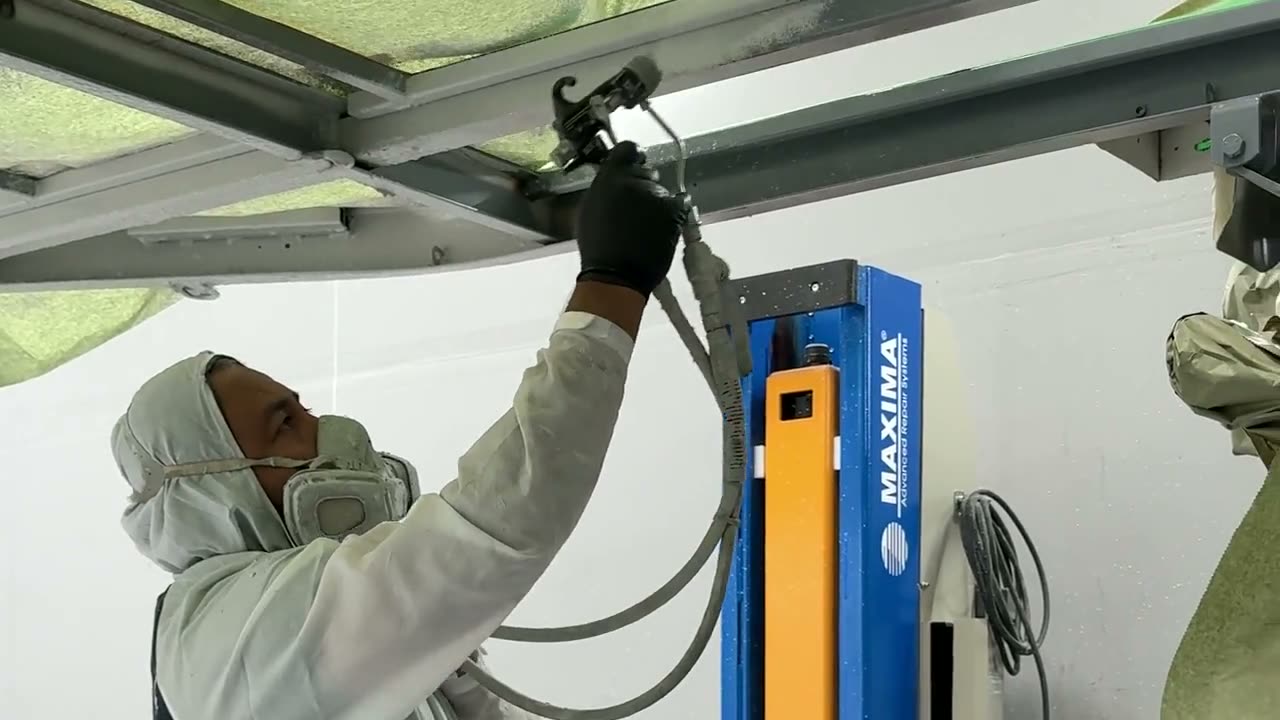
In the Shop
A closer look at the work beneath your coach.
Beyond the Driveway
Your coach's condition and exposure
matter more than its ZIP code.
Start with the condition of the existing coating. Dusty roads, wet trips and storage habits belong in the conversation.
Travel on treated winter roads changes the exposure. Tell us where you drive and how the underside is maintained.
Time near saltwater is useful context for an underbody assessment and an ongoing maintenance plan.
Undercoating is one part of underbody care. Cleaning and condition checks still matter.
Tell us about your travelsThe Local Case
Most of what gets written about undercoating assumes a cold climate, where the real enemy is road salt eating through bare metal over a winter. That pitch does not describe Las Vegas, and this page will not pretend it does. There is no de-icing salt on these roads, and a coach that never leaves the valley is not fighting the corrosion problem a coach in a snowbelt state fights.
What the desert does instead is attack the coating and the hardware underneath it in its own way. Sustained heat radiating off asphalt and ultraviolet light reaching underneath the coach in a parking lot age an unprotected coating and harden exposed rubber and plastic components faster than a milder climate would. Fine desert dust works as an abrasive, wearing through a thin protective layer over time rather than sitting harmlessly on top of it. And while it is dry here most of the year, it is not dry every day: a monsoon downpour, a wash, or a wet drive still puts water onto whatever is underneath the coach, and bare metal with dust already worked into its surface has no barrier to stop that water from starting corrosion.
That is a real reason to coat the underside of a coach that lives in this climate. It is a smaller and different reason than a snowbelt shop would give, and it is stated that way on purpose.
The Right Next Step
Three different jobs.
Choose the one your coach needs.
Check for issues beneath the coach before deciding on the work.
Apply a compatible coating after the surface is assessed and prepared.
Service hinges, locks and other appropriate moving components.
Good Questions
Clear answers about RV undercoating,
preparation and maintenance.
We need details about your coach, its condition and the work involved to provide an estimate. Start with your year, make and model, and tell us about any worn coating or visible corrosion.
Existing rust or damage needs assessment first. Preparation depends on its extent and the coating system. A fresh layer does not replace repairs to damaged material.
It depends on the existing protection, the coach’s condition, storage and travel exposure. A coach that stays in the valley may have different needs from one that travels on winter roads or spends time near the coast.
There is no single interval for every product and coach. Have the coating’s condition reviewed and follow the applicable product and vehicle guidance.
The shop can confirm scheduling after reviewing the preparation, application and drying or curing requirements for the work. Ask about the full turnaround when requesting your estimate.
Ask the team to confirm the product, compatible surfaces and care instructions for your coach. The white finish in the illustration is not a promise of the color or product used on every job.
No. Undercoating is a separate service. An undercarriage or 45-point inspection assesses condition; coating is additional work agreed with the shop.
Let's Look at Your Coach
Tell us what you drive and what you're seeing underneath.
PREFER TO TALK?702-757-2471 Our team will follow up about your coach and the next step.